The complete essential hiking gear checklist: the ten essentials, footwear, backpack, layered clothing, water, navigation and safety — to hike Quebec with confidence.
Good gear is the difference between a memorable hike and an outing that goes wrong. Whether you're heading out for a short forest loop or a long day in the mountains of Quebec, this guide gathers all the essential hiking gear — organized around the "10 Essentials," the recognized reference for hiking safely.
The 10 Essentials of hiking
These ten categories cover the unexpected and should come along on nearly every outing:
- Navigation — map, compass, GPS or offline app (with maps downloaded).
- Sun protection — sunscreen, sunglasses and a hat.
- Insulation — an extra warm layer (rain shell and a fleece).
- Illumination — headlamp and spare batteries.
- First aid — a kit sized to the length of your outing.
- Fire — lighter, waterproof matches and a firestarter.
- Repair kit and tools — multi-tool and duct tape.
- Nutrition — extra food for one more day.
- Hydration — water and a way to purify it.
- Emergency shelter — survival blanket or lightweight tarp.
Footwear and socks
Your feet carry everything else. Choose hiking boots or shoes suited to the terrain: low, flexible shoes for smooth trails, higher boots for rough ground and heavy loads. Look for solid grip, ankle support and a breathable waterproof membrane for Quebec's wet trails. Always wear merino wool or synthetic socks (never cotton, which holds moisture and causes blisters).
The backpack
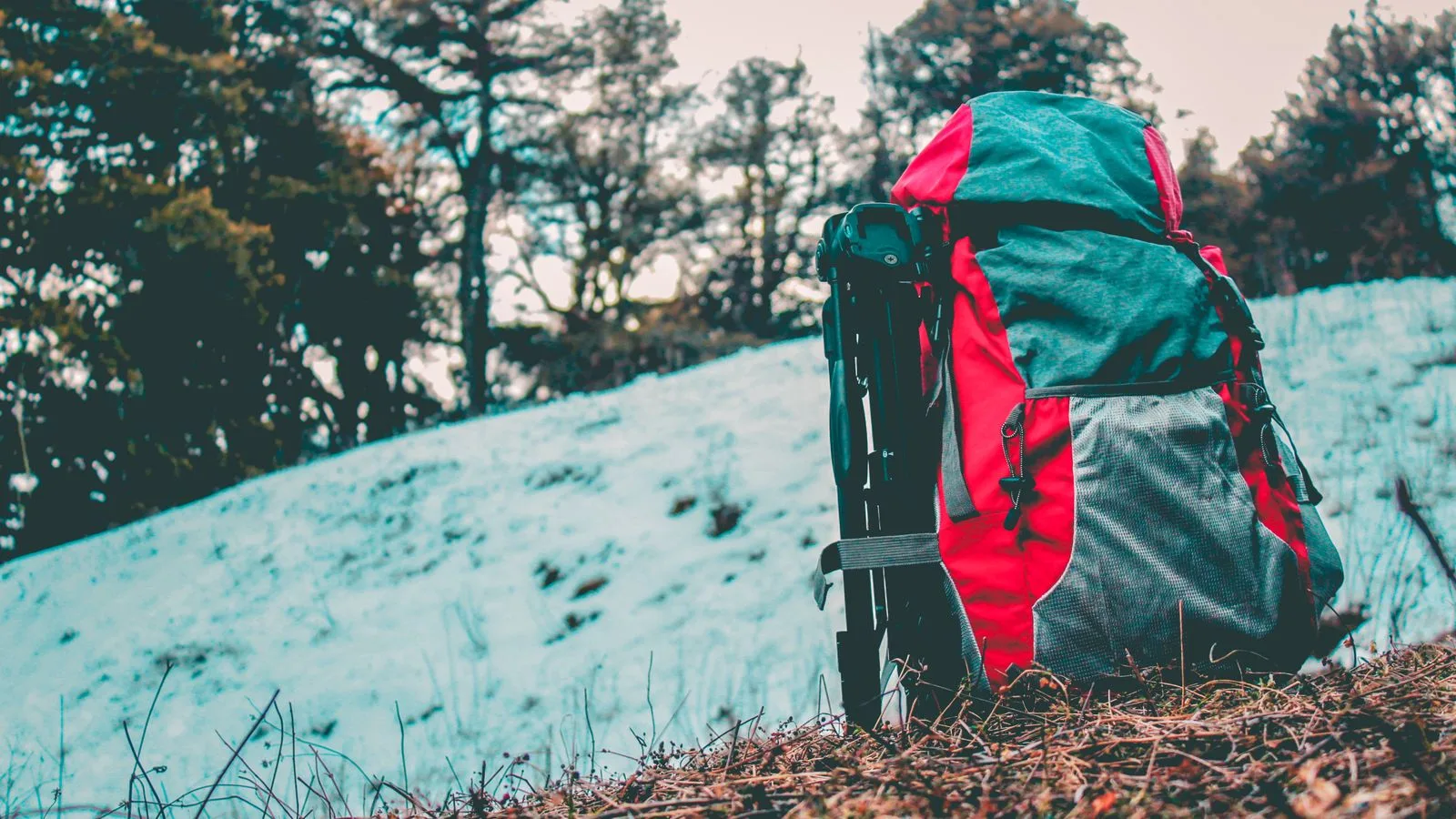
For a day hike, a 20–30 litre pack is enough. For a long day or cold season, aim for 30–40 litres to fit extra layers. What matters: a hip belt that shifts weight onto your hips, adjusted shoulder straps and a rain cover.
Dressing in layers
The three-layer system is key to staying dry and warm:
- Base layer — merino wool or synthetic, to wick sweat away.
- Mid layer — fleece or down, for insulation.
- Outer layer — waterproof, windproof shell.
Avoid cotton. Match the number of layers to the weather and shed them before you overheat.
Water and nutrition
Plan for about half a litre of water per hour of effort, more in the heat. Bring a purification system (filter, tablets or UV) if you'll refill along the way. For food: energy-dense snacks (nuts, dried fruit, bars) and a meal if the outing runs more than a few hours.
Navigation
Don't rely on your phone alone. Download offline maps ahead of time, bring a power bank, and keep a paper map and compass as backup. Always tell someone your route and expected return time.
Safety and first aid
A compact first-aid kit (bandages, antiseptic, wrap, blister patches), a whistle, a survival blanket and a lighter weigh a few grams and can change a situation. Check the forecast before you go and watch conditions.
By season in Quebec
- Spring / fall: extra layers, rain shell, and expect mud.
- Summer: sun protection, bug spray and plenty of water.
- Winter: traction spikes or snowshoes, mittens, a thermos and very warm layers — days are short, so start early.
Quick hiker's checklist
- Hiking shoes + wool socks
- 20–40 L backpack with rain cover
- 3-layer system (base, insulation, shell)
- Water + purification
- Food and snacks
- Map, compass, GPS/phone + power bank
- Headlamp + batteries
- First-aid kit
- Sun protection + bug spray
- Fire, whistle, survival blanket, knife
With this list, you're ready to enjoy Quebec's finest trails with confidence. Browse our directory of hiking trails to find your next outing.