Recreational, sea or inflatable? Sit-in or sit-on-top? Length, paddle, budget, new or used: the complete first-kayak buying guide.
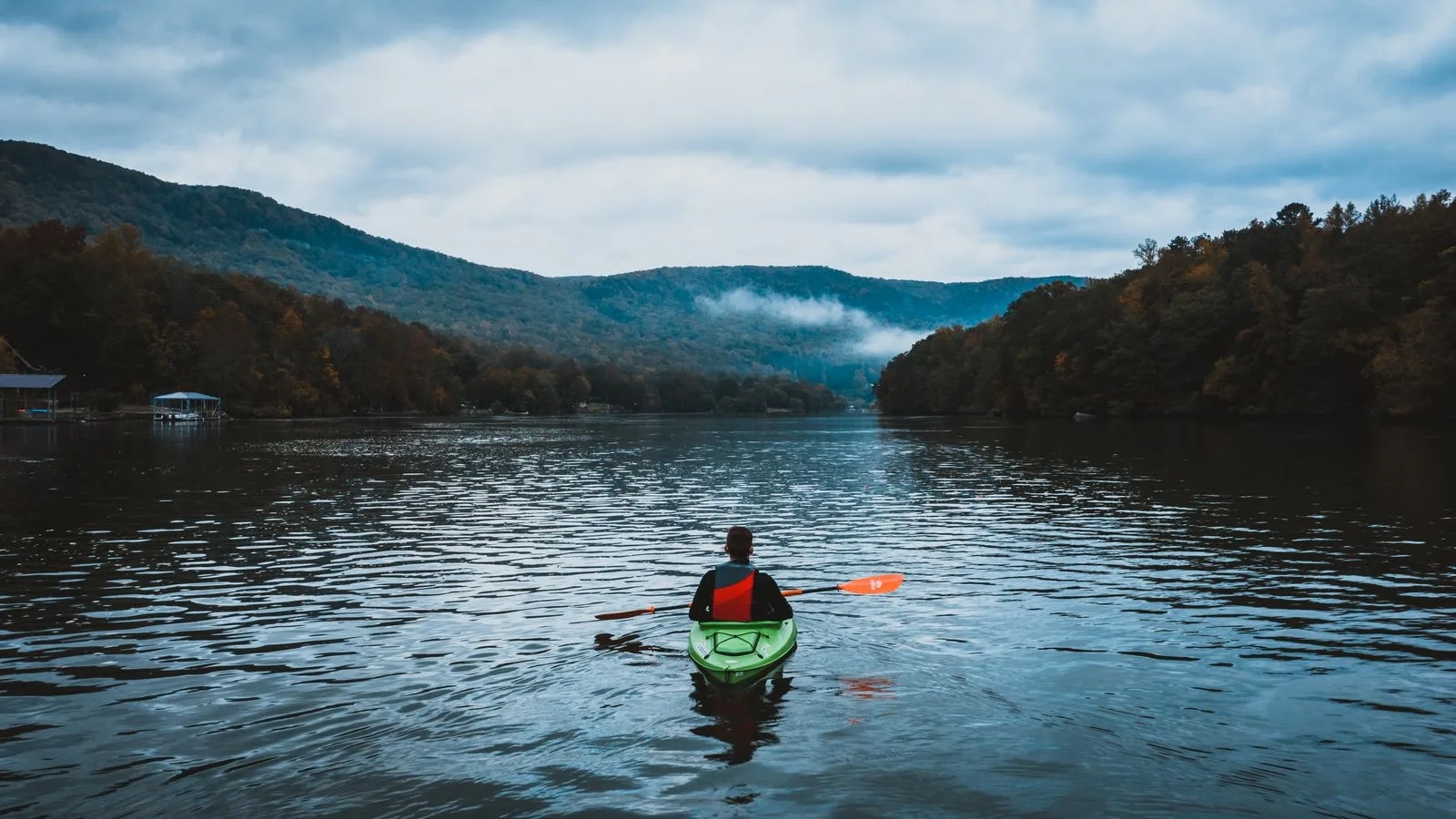
Buying your first kayak is intimidating: recreational or sea kayak? Sit-in or sit-on-top? 9 or 14 feet? Here is the guide to choosing without overpaying for features you don't need.
Recreational, sea or inflatable?
| Type | Length | For | New price |
|---|---|---|---|
| Recreational | 9-12 ft | Calm lakes, slow rivers | $400-900 |
| Sea / touring | 14-17 ft | Big water, expeditions | $1,500-4,000 |
| Inflatable | 9-13 ft | Limited storage, travel | $300-1,200 |
| Sit-on-top | 9-12 ft | Swimming, fishing, heat | $500-1,200 |
To start in Quebec: a 10-12 ft recreational covers the vast majority of outings on our calm lakes and rivers.
Sit-in or sit-on-top?
- Sit-in: protects from wind and splash — better suited to our cold water and long season (May-October).
- Sit-on-top: cannot fill with water, easy to climb back on — perfect for summer, swimming and fishing.
In Quebec, sit-in remains the best all-around choice; sit-on-top shines in July-August.
What length?
- Shorter (9-10 ft): nimble, light, easy to transport — but slower and drifts more.
- Longer (12 ft+): tracks and glides better — but heavier and bulkier.
- The beginner sweet spot: 10 to 12 feet.
Also check load capacity (your weight + gear + 30% margin) and width (60-75 cm: wider = more stable).
Choosing the right paddle
Too often neglected — it is what hurts your shoulders at day's end:
- Length: 220-240 cm depending on your height and kayak width.
- Weight: under 1 kg if possible — every 100 g counts over 3,000 strokes.
- Fiberglass > aluminum if budget allows ($100-200).
Flotation and safety equipment
Transport Canada requires: fitted PFD (worn!), whistle, 15 m heaving line, bailer or pump, and a watertight light at dusk. Add: dry bag, safety rope, and early season, thermal clothing — the water stays frigid until June.
Starting budget
| Item | Budget | Comfort |
|---|---|---|
| Recreational kayak | $450 | $800 |
| Paddle | $60 | $150 |
| PFD | $60 | $120 |
| Safety kit | $40 | $60 |
| Total | ~$610 | ~$1,130 |
New or used?
Used is an excellent entry point: rotomolded plastic kayaks are nearly indestructible. Check for deep cracks (especially under the hull), hull deformation and hatch seals. Target used price: 50-60% of new.
Mistakes to avoid
- Buying too long/too expensive "for later".
- Skimping on the paddle and PFD.
- Forgetting transport: can you lift it onto the car roof alone?
- Launching without checking wind and waves (beginner rule: under 15 km/h).
- Starting downwind (always come home wind-assisted).
Where to paddle next
Browse our kayak and canoe listings to find calm water near you, with launches and rentals. Rental centres are perfect for trying models before buying.
FAQ
Best kayak for a beginner? A 10-12 ft sit-in recreational, 65-75 cm wide, with a dry hatch. Simple, stable, versatile.
Cost of a complete first setup? About $600 new on a budget, $350-450 used.
Is an inflatable kayak a real kayak? Recent drop-stitch models are surprisingly rigid and perfect for calm lakes. Avoid sub-$250 pool toys.
Do kayaks need registration in Quebec? No, no registration or licence is required for paddle kayaks.