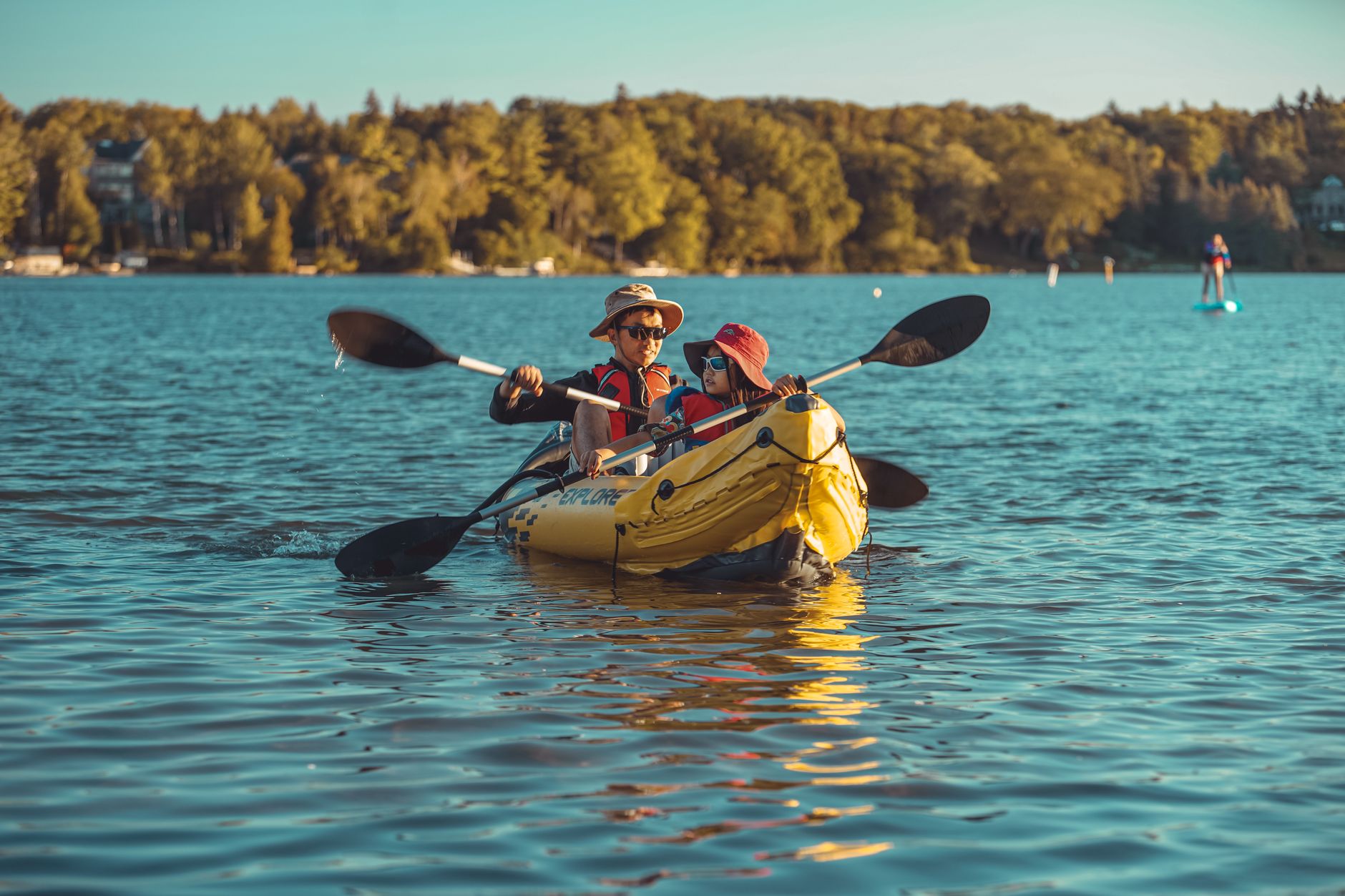
Understanding the wind and water conditions is essential for all Quebec paddlers. This guide will help you navigate safely and fully enjoy your outings in kayak, canoe, or SUP.
Introduction
Paddling on the lakes and rivers of Quebec can be a rewarding experience, but it is essential to understand the water conditions, particularly the wind. This practical guide will provide you with key information to read the wind and assess the water conditions, so you can paddle safely and enjoy your adventure.
Reading the Wind
The wind can have a significant impact on your paddling experience. Here are some tips to better understand it:
Observe the Wind Direction
- Use visual cues: Look at trees, flags, or waves to determine the wind direction.
- Water movement: Small waves or currents can indicate the wind direction.
Assess the Wind Intensity
- Calm: Less than 10 km/h, ideal for beginners.
- Moderate: Between 10 and 20 km/h, can create waves and currents.
- Strong: More than 20 km/h, may pose a risk for inexperienced paddlers.
Consider Gusts
- Wind gusts can occur suddenly and be stronger than the steady wind. Be attentive to rapid changes in wind speed.
Water Conditions
Water conditions vary by season and location. Here’s how to assess them:
Water Temperature
- Cold water: In summer, the water temperature can remain cold even if the air is warm. Wear appropriate clothing to avoid hypothermia.
- Safety equipment: Transport Canada recommends wearing a lifejacket and having a safety kit.
Currents and Tides
- Rivers: Be cautious of rapids and currents. Check river maps to assess difficult sections.
- Lakes: Lakes can have unexpected currents, especially near the rivers that feed them.
Preparation Before You Go
Before putting in, it is crucial to prepare. Here are some steps to follow:
Check the Weather
- Consult the weather forecast before your outing, especially for wind and precipitation.
- Use reliable navigation apps or websites for updated information.
Safety Equipment
- Lifejacket: Mandatory according to Transport Canada regulations. Ensure it is in good condition.
- First aid kit: Always have a first aid kit on hand.
- Waterproof phone: For emergencies, have a waterproof means of communication.
Inform Someone
- Let a friend or family member know where you are going and what time you expect to return.
Techniques for Managing the Wind
When you are on the water, here are some techniques to better manage the wind:
Positioning
- Face into the wind: If possible, paddle directly into the wind to maintain your course.
- Turn back: If the wind is too strong, consider turning back or seeking shelter.
Use the Wind to Your Advantage
- Paddling with the wind: When the wind is at your back, it can help you move faster. Be cautious of waves that may form.
- Paddling techniques: Adjust your paddling technique based on the wind strength, taking shorter and quicker strokes if necessary.
Conclusion
Learning to read the wind and water conditions is essential for ensuring your safety and that of your paddling companions. By adequately preparing and following safety regulations, you can fully enjoy your outings on the beautiful lakes and rivers of Quebec. Take the time to familiarize yourself with these concepts, and your paddling experience will only be enriched.
Reading Time
8 minutes