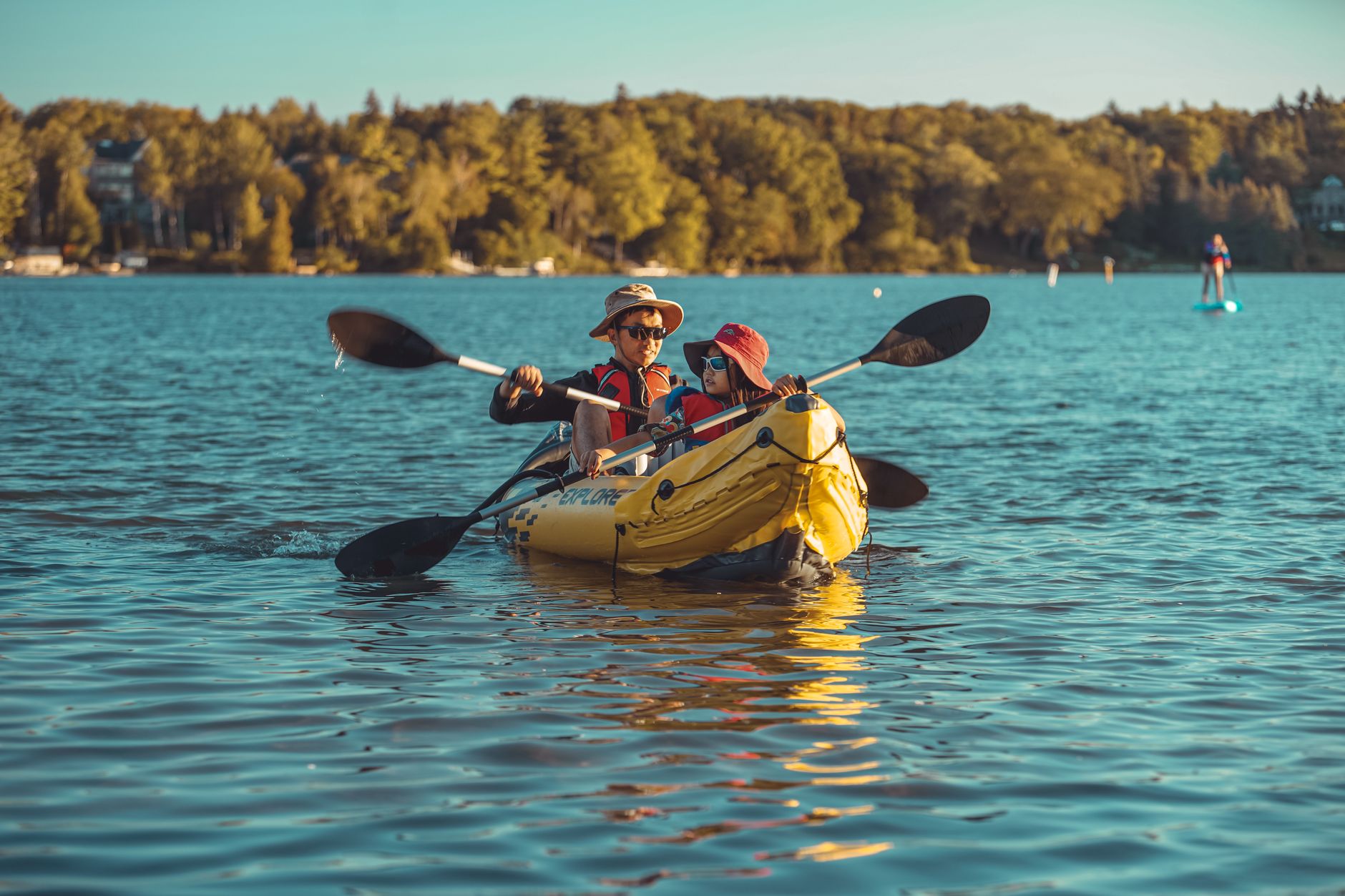
Paddling in cold water in Quebec requires proper preparation and an understanding of the associated risks. This guide will help you navigate safely in our lakes and rivers, even when temperatures drop.
Introduction
Quebec, with its numerous lakes and rivers, offers an ideal playground for kayak, canoe, and SUP enthusiasts. However, when temperatures begin to drop, it is essential to be aware of the dangers posed by cold water. This guide aims to prepare you for safe paddling in these conditions.
Risks of Cold Water
Paddling in cold water presents several risks, including:
- Hypothermia: Prolonged exposure to cold water can quickly lead to a loss of body heat, which can be fatal.
- Cold Shock: Sudden immersion in cold water can cause shock, leading to difficulties in swimming or reacting.
- Loss of Control: Waves and currents can be more challenging to manage in cold water, especially if you are shocked by the temperature.
Preparation Before the Outing
Before venturing out on the water, it is crucial to prepare adequately:
Equipment Check
- Appropriate Clothing: Opt for thermal and waterproof clothing. Neoprene suits or drysuits are ideal.
- PFD: Ensure your personal flotation device is compliant with Transport Canada regulations and fits properly.
- Safety Equipment: Don’t forget to bring a first aid kit, a waterproof flashlight, a rescue rope, and a means of communication (waterproof phone or radio).
Route Planning
- Choose Suitable Water Bodies: Avoid rivers with strong currents or dangerous areas in cold water.
- Check Weather Forecasts: Conditions can change rapidly, so it is essential to prepare for all eventualities.
Training and Skills
- Practice Rescue Techniques: Familiarize yourself with recovery techniques in case of a fall into the water, such as "turtling" or "rescuing a paddler."
- Assess Your Skill Level: Be honest about your level of experience and avoid venturing too far if you are a novice.
While Paddling
When you are on the water, keep the following points in mind:
Stay Aware of Your Environment
- Monitor Water Temperature: Make sure you know the water temperature and its potential effects on your body.
- Evaluate Conditions in Real-Time: Be attentive to changes in weather conditions that could affect your safety.
Safe Paddling Techniques
- Paddle in Groups: Never go alone, especially in cold water. Having a group allows you to help each other in case of problems.
- Stay in Contact: Establish communication signals with your group members to alert each other in case of danger.
In Case of an Accident
Despite all precautions, accidents can happen. Here’s what to do:
- Stay Calm: Panicking can worsen the situation.
- Swim to Shore: If you fall into the water, try to swim calmly to shore.
- Call for Help: If you are in trouble, use your waterproof phone or a means of communication to request assistance.
Conclusion
Paddling in cold water can be a rewarding experience if you are well-prepared and aware of the risks. By following these tips, you can enjoy the beautiful landscapes of Quebec safely, even when temperatures drop. Always remember that safety should be your top priority.
Useful Resources
- Transport Canada: Regulations on Safety Equipment for Canoeing and Kayaking
- Lifesaving Society: Hypothermia Tips
- Météo Québec: Weather Forecasts
Reading Time
- About 8 minutes