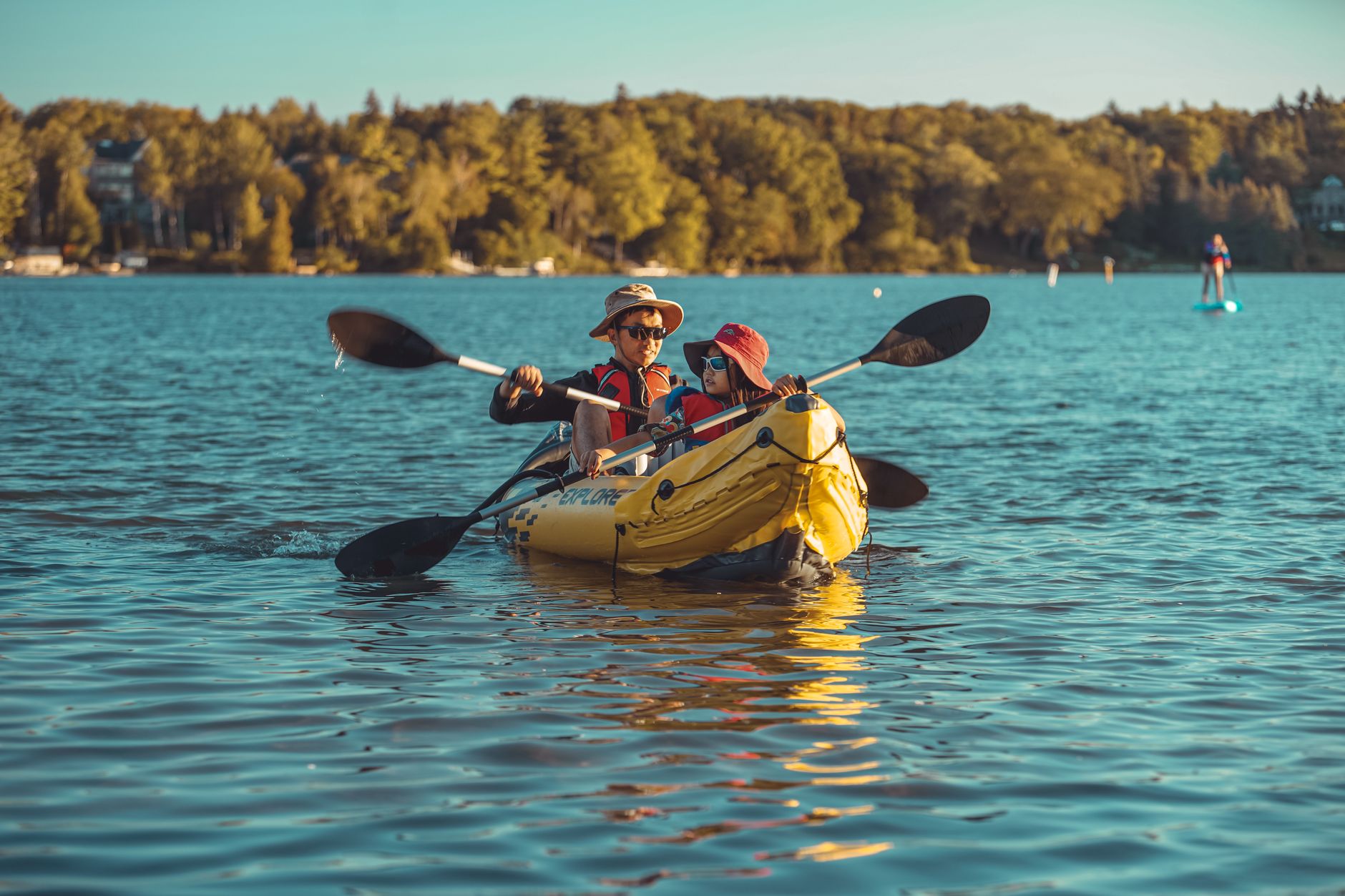
Choosing the right PFD is essential to ensure your safety during your kayaking, canoeing, or SUP outings. This guide will help you make the best choice to paddle confidently on Quebec's waters.
Introduction
Safety should always be a priority when practicing paddle sports in Quebec. Whether you are paddling on a calm lake or tackling the rapids of a river, a personal flotation device (PFD) is essential gear. In this article, we will guide you through the various criteria to consider when choosing the PFD that suits you best.
Transport Canada Regulations
Before diving into the specifics of PFDs, it is important to understand the legal requirements in Quebec:
- Wearing Requirement: According to Transport Canada regulations, every paddler must wear a PFD when on the water. This applies to all types of canoes, kayaks, and SUP boards.
- Certification: Ensure that your PFD is approved by Transport Canada. Look for the appropriate marking on the equipment.
- Minimum Age: Children under 12 years old must wear a PFD at all times, regardless of the type of craft.
Criteria for Choosing a PFD
1. Type of Activity
The type of paddling you practice will influence your choice. Here are some considerations:
- Kayak: Opt for a PFD that allows good freedom of movement, especially in the arms.
- Canoe: A bulkier PFD may be acceptable, but ensure it does not hinder your balance.
- SUP: Choose a lightweight and adjustable PFD, as you will need a good range of motion.
2. Size and Fit
An ill-fitting PFD can be dangerous. Here are some tips for choosing the right size:
- Try on several models: Each brand may have different sizing. Make sure the PFD fits well without being too tight.
- Adjustments: Look for models with adjustable straps for optimal support.
- Positioning: The PFD should rest on the upper part of your chest without riding up to your chin.
3. Buoyancy
Buoyancy is measured in pounds (lbs). Here’s a simple guide:
- Under 90 lbs: PFD with a buoyancy of 10-12 lbs.
- 90-150 lbs: PFD with a buoyancy of 12-16 lbs.
- Over 150 lbs: PFD with a buoyancy of 16 lbs and up.
4. Comfort and Materials
Comfort is essential for enjoying your outings:
- Materials: Look for PFDs made with lightweight and breathable materials.
- Filling: Models with closed-cell foam are generally more comfortable.
- Ventilation: Some models offer mesh panels for better airflow.
5. Additional Features
Some PFDs come with features that can enhance your experience:
- Pockets: External pockets can be useful for storing small accessories.
- Whistle: An integrated whistle can be an asset in emergency situations.
- Reflectivity: Reflective elements increase your visibility on the water.
Maintaining Your PFD
Proper maintenance will extend the life of your PFD:
- Cleaning: Rinse your PFD with fresh water after each use to remove salt, sand, or other contaminants.
- Storage: Store your PFD in a cool, dry place, away from direct sunlight.
- Regular Inspection: Regularly check the seams, straps, and buckles to ensure they are in good condition.
Conclusion
Choosing the right PFD is a crucial step in ensuring your safety and comfort during your outdoor adventures. Take the time to try different models, learn about the regulations, and properly maintain your gear. By following these tips, you will be ready to paddle confidently on the beautiful lakes and rivers of Quebec.